
One identity across tools
Keep the agent's business identity connected even when models, harnesses, or runtimes change.
AI agent management and registry
Grid creates one living registry for the agents teams bring to work—who owns them, where they run, what they touch, and whether they still belong.
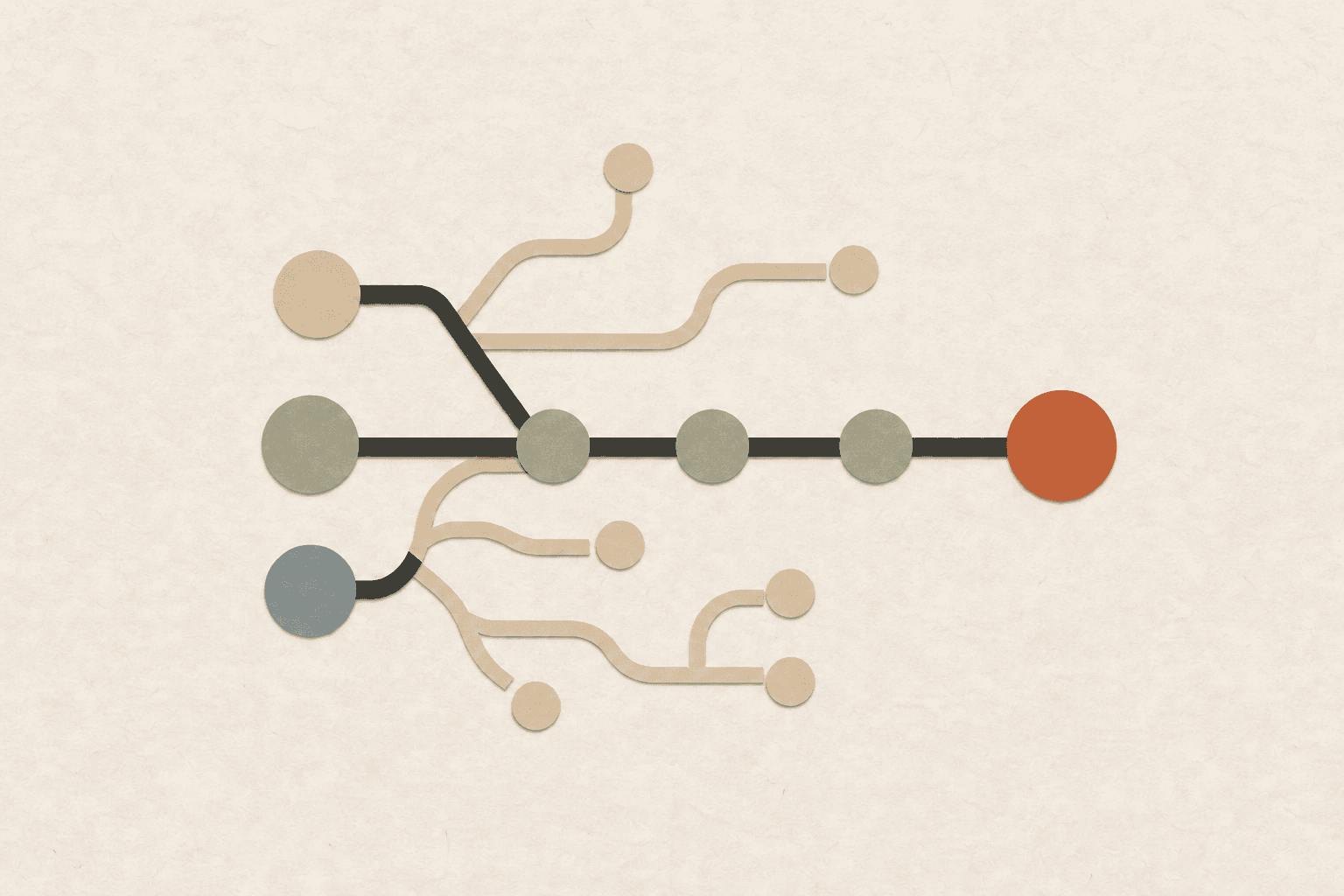
What the registry must hold
A useful AI agent registry stays connected to the work. It shows why an agent exists, who is responsible, what changed, which systems are involved, and when the next decision is due.
Keep the agent's business identity connected even when models, harnesses, or runtimes change.
Track proposed, testing, active, paused, review, and retired states with a clear decision owner.
Give security, finance, operations, and business teams the same current operating record.
The operating loop
Grid connects discovery, ownership, access, activity, cost, and outcomes so the agent inventory can support real decisions.
Find agents across approved tools, private runtimes, and team workflows.
Attach an owner, purpose, environment, and operating scope.
Update the record as access, versions, activity, and cost change.
Remove access and preserve the operating history when work ends.
Evidence for the operating model
Our notes separate what has been observed from what teams should test next.
Common questions
AI agent management is the ongoing work of discovering, registering, assigning, reviewing, and retiring agents across an organization. It keeps technical configuration connected to business ownership and purpose.
A practical registry includes identity, owner, business purpose, model and harness, runtime, systems, permissions, lifecycle state, cost, recent activity, review dates, and expected outcomes.
Combine automated discovery and system integrations with owner attestations, change history, lifecycle states, and scheduled reviews. A static spreadsheet becomes stale because it is separated from the activity it describes.
Start with who is already at work
Map the agents, owners, access, activity, cost, and outcomes already taking shape across the company.